
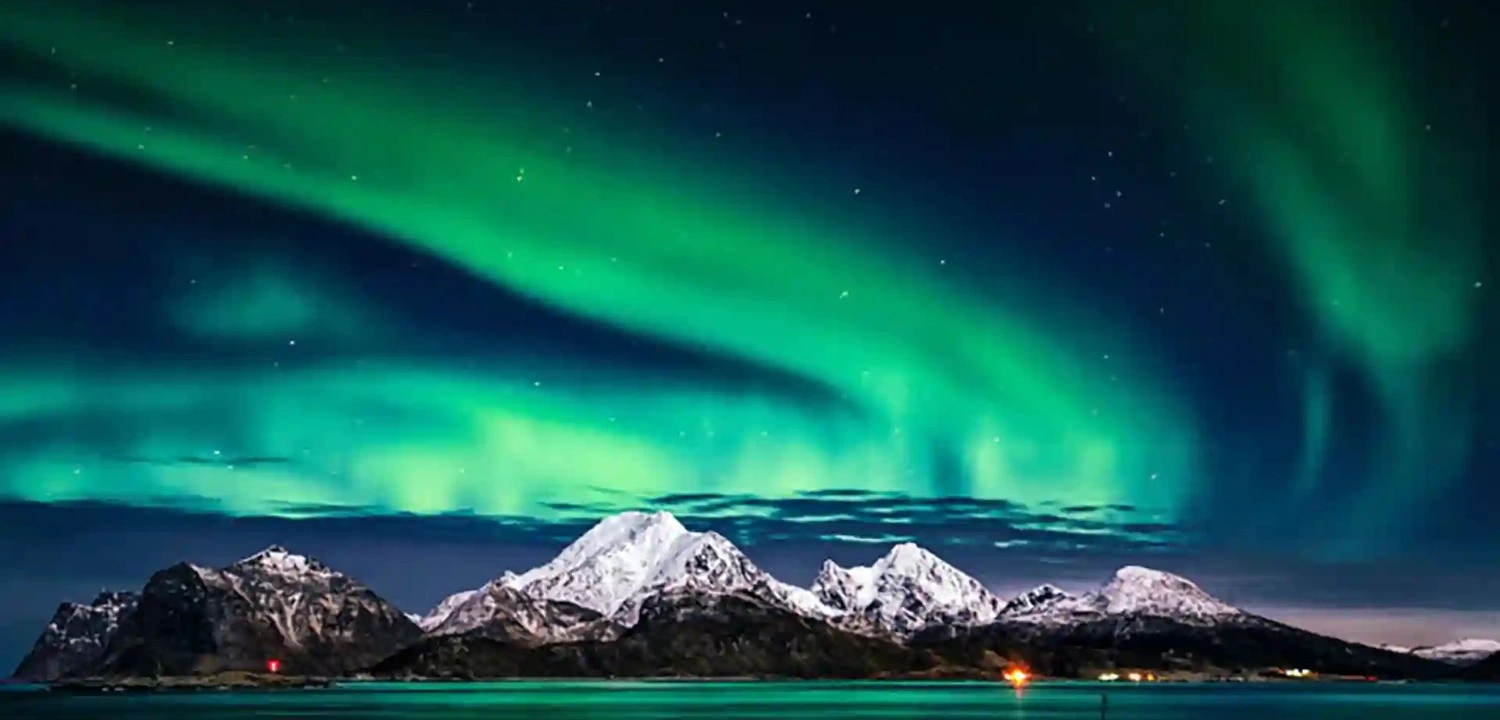
There are some holidays you remember for the places you visited. A Northern Lights holiday is different. You travel for a moment you cannot schedule the night when the sky suddenly comes alive.
For Indian travellers, seeing the Northern Lights in Europe usually means heading far north, into the Arctic regions of Finland, Norway, Sweden or Iceland. But choosing the right destination matters. One place may be better for luxury stays, another for dramatic landscapes, and another for combining the aurora with a wider Europe itinerary.
And there is no guarantee that the lights will appear on any particular night.
So the smartest approach is not to chase one photograph. Build a journey around the possibility of seeing the Aurora while making sure the rest of the holiday is worth travelling for.
This guide covers where to see the Northern Lights in Europe, when to go, how long to stay, what the trip can cost and how to plan it from India.
Northern Lights Europe at a Glance
| Factor | Quick Details |
|---|---|
| Best Region | Arctic Europe |
| Top Countries | Finland, Norway, Sweden & Iceland |
| Best Time to Visit | Late August to early April |
| Ideal Duration | 6 – 10 Days |
| Best For | Couples, Honeymooners, Families & Luxury Travellers |
| VISA | Schengen VISA for Indian Travellers |
| Travel Style | Aurora Viewing, Winter Experiences, Nature & Luxury Stays |
| From India | Connecting Flights are generally required |
| Aurora Sightings | Depend on darkness, cloud cover, location & solar activity |
The Northern Lights are not a guaranteed attraction with a fixed showtime. Weather and solar conditions can change your chances from one night to the next.
That is why the best Northern Lights destinations offer much more than Aurora viewing glass cabins, husky rides, reindeer experiences, Arctic landscapes and other winter activities.
Where Can You See the Northern Lights in Europe?
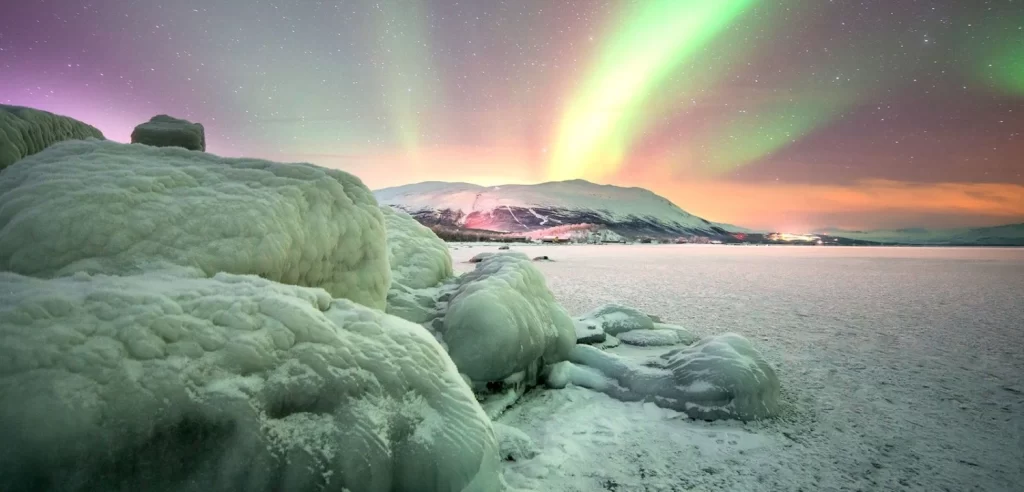
The Northern Lights in Europe are best experienced in the far north, where long winter nights and low light pollution create better conditions for aurora viewing. But the four main destinations offer very different kinds of holidays.
Finland — For Luxury, Couples & Winter Experiences
Finnish Lapland is a natural choice if you want the Northern Lights paired with a more comfortable, experience-led holiday.
Rovaniemi, Saariselkä and Ivalo are popular bases, with options ranging from glass-roofed cabins to luxury Arctic resorts. Days can be filled with husky rides, reindeer experiences and snow activities, while evenings are reserved for watching the sky.
Best for: Honeymooners, couples, families and luxury travellers.
Norway — For Aurora & Dramatic Landscapes
Northern Norway brings a different setting. Around Tromsø, Alta and the Lofoten region, the Northern Lights can be combined with fjords, Arctic scenery and outdoor adventures.
It works particularly well if you don’t want your holiday to revolve entirely around staying in a winter resort.
Best for: Adventure seekers, couples and travellers who want scenery alongside the Aurora.
Sweden — For a Quieter Arctic Experience
Swedish Lapland is a good option for travellers looking for a more remote Northern Lights experience. Abisko and Kiruna are among the better-known places to base yourself.
Beyond the Aurora, you can experience Arctic landscapes, winter activities and Sámi culture.
Best for: Nature lovers, photographers and travellers who prefer quieter surroundings.
Iceland — For Northern Lights & Varied Landscapes
Iceland works particularly well if you want the Aurora to be part of a broader sightseeing holiday. Waterfalls, glaciers, volcanic landscapes, geothermal areas and black-sand beaches give you plenty to experience during daylight hours.
That makes Iceland particularly appealing if you want the Aurora to be one highlight of a broader sightseeing holiday.
Best for: First-time visitors, couples, photographers and travellers who want varied landscapes.
Which One Should You Choose?
Think beyond the Aurora:
Finland for luxury and romantic stays.
Norway for adventure and dramatic scenery.
Sweden for quieter Arctic experiences.
Iceland for varied landscapes and sightseeing.
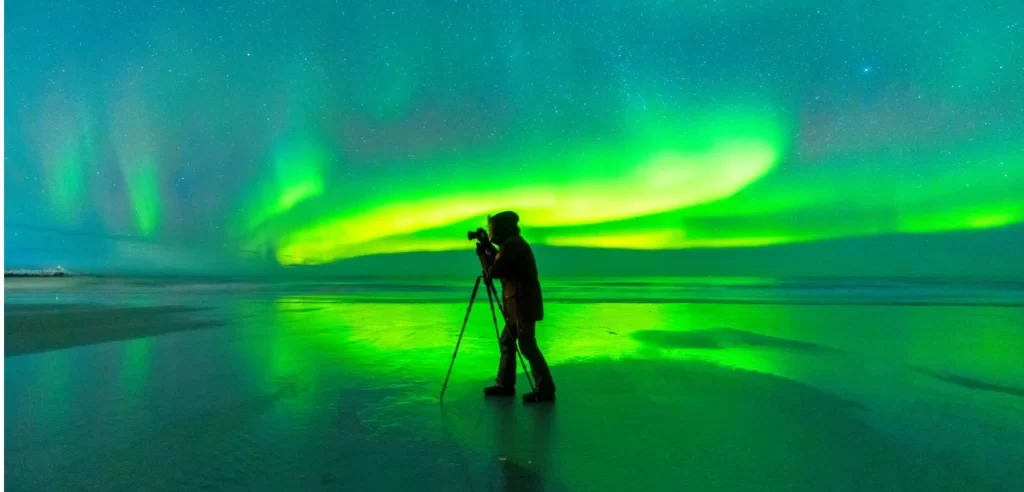
When Is the Best Time to See the Northern Lights in Europe?
The Northern Lights need dark skies, so the viewing season is tied closely to the shorter days of the year. In northern Europe, the main season generally runs from late August to early April, although the exact conditions vary by destination.
September to October — Early Aurora Season
Longer nights begin to return while temperatures are generally more manageable than during deep winter. A good option for combining Aurora viewing with outdoor experiences.
November to December — Winter Begins
Snow starts transforming the Arctic landscapes, making this an especially atmospheric time for a Northern Lights holiday. December also brings festive markets and Christmas experiences, particularly in Finnish Lapland.
January to February — Deep Winter
This is the classic deep-winter period, with snow-covered landscapes, long dark evenings and plenty of opportunities for husky rides, reindeer experiences and other winter activities.
March to Early April — Aurora + More Daylight
The nights are still dark enough for Aurora viewing in northern regions, while daylight gradually returns, giving you more time for daytime experiences.
So, Which Month Is Best?
For many first-time travellers, October to March offers a good balance of darkness and winter experiences. But there is no month that guarantees a sighting.
If the Aurora is a major reason for your trip, plan several nights rather than relying on one evening.
Can You Guarantee Seeing the Northern Lights?
No. Even the best Northern Lights destinations in Europe cannot guarantee an Aurora sighting on a particular night.
The lights depend on several things coming together:
- Solar activity — the Aurora is created by activity from the Sun.
- Darkness — longer, darker nights give you more viewing opportunities.
- Cloud cover — even strong Aurora activity cannot be seen through heavy clouds.
- Location — being away from city lights and closer to the Arctic Circle can improve your chances.
- Timing — the Aurora can appear for a few minutes or remain visible for much longer.
A good strategy is to stay for at least 3–4 nights in a suitable destination and consider guided Aurora excursions that can adjust locations according to conditions.
Most importantly, choose a destination where you would still enjoy the holiday if the sky remains quiet. That is why the experiences around the Aurora matter just as much as the Aurora itself.
Northern Lights Experiences Worth Planning Around
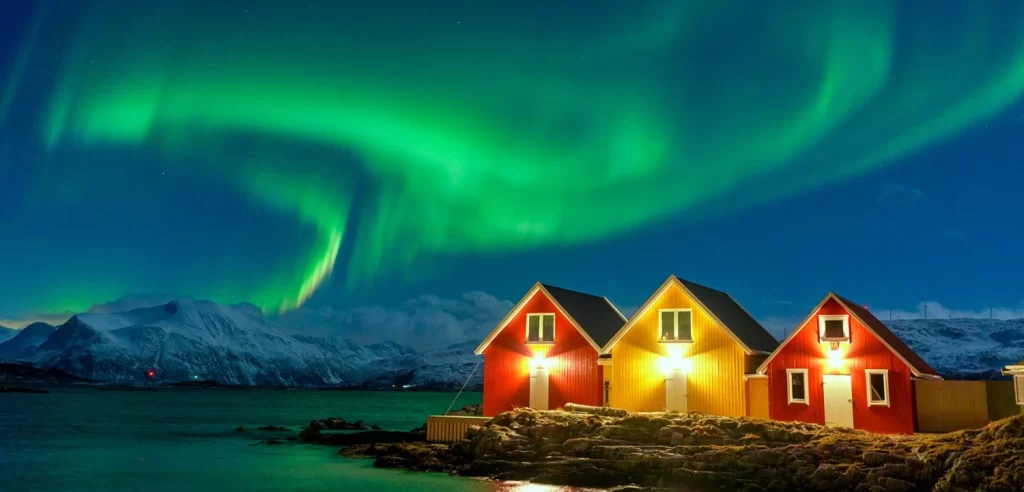
The Aurora may be the reason you book the trip, but it shouldn’t be the only experience on your itinerary. The best Northern Lights holidays in Europe give you something memorable to do during the day and something to look forward to after dark.
Stay in a Glass Cabin
Glass-roofed cabins allow you to enjoy the Arctic landscape from the comfort of your accommodation and, if conditions are right, watch the night sky from your room.
Go Husky Sledding
Travel through snowy landscapes with a husky team for one of the most memorable daytime Arctic experiences.
Meet Reindeer
Reindeer experiences offer a quieter side of Arctic travel and can also introduce travellers to local Sámi traditions.
Chase the Aurora
A dedicated Northern Lights tour can take you away from city lights and towards areas with better viewing conditions when weather allows.
Experience an Arctic Sauna or Spa
After spending time outdoors in freezing temperatures, a warm sauna or spa experience can become one of the most enjoyable parts of the trip.
Add a Private Arctic Experience
For couples and luxury travellers, private transfers, personalised Aurora excursions and romantic dining can make the journey more personal.
The key is not to fill every day. Leave room for changing weather, slow mornings and the possibility that the most memorable moment may not have been planned.
How Many Days Do You Need for a Northern Lights Holiday?
A Northern Lights trip is one of those holidays where staying longer can genuinely improve the experience. You need enough nights to give yourself more than one opportunity to see the Aurora, while still leaving time for the destination itself.
4–5 Days: A Short Arctic Escape
Good for a focused trip to one destination.
You can combine:
- Northern Lights hunting
- One or two snow activities
- A glass cabin or luxury stay
- Some local sightseeing
This works well if you’re adding the Aurora to a wider Europe holiday.
6–7 Days: The Sweet Spot
For most travellers, 6–7 days offers a better balance.
You have enough time for multiple Aurora-viewing opportunities without rushing through the daytime experiences. It also gives you room to include husky rides, reindeer experiences, Arctic sightseeing and relaxed evenings at your hotel.
8–10 Days: A More Complete Arctic Holiday
With more time, you can slow down and experience the destination properly.
Depending on the country, you could combine two regions or add experiences that would otherwise make the itinerary feel rushed.
10+ Days: Northern Lights + Wider Europe
If the Northern Lights are only one part of your Europe holiday, consider combining the Arctic with another destination.
For example:
- Helsinki + Finnish Lapland
- Oslo + Tromsø
- Stockholm + Swedish Lapland
- Copenhagen + Iceland
For a dedicated Northern Lights holiday from India, I’d recommend 6–10 days for most travellers. It gives the Aurora more than one chance to appear while allowing the trip to feel like a holiday rather than a race between activities.
How Much Does a Northern Lights Trip from India Cost?
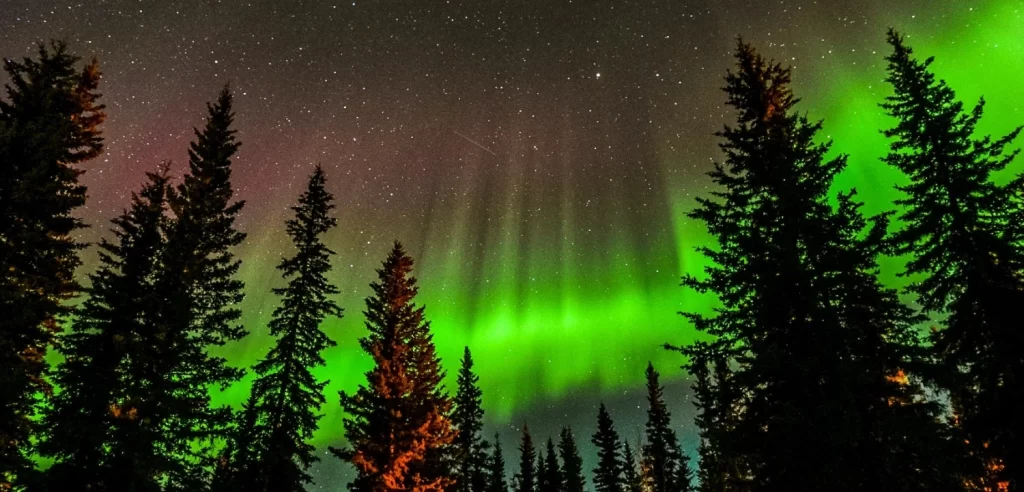
A Northern Lights holiday from India is generally a premium international trip, mainly because of long-haul flights, winter accommodation and specialised Arctic experiences. Your final cost can vary significantly depending on the country, travel month and level of accommodation.
Indicative Cost for Two
| Travel Style | Approx. Cost | What You Can Expect |
|---|---|---|
| Premium | ₹ 3- 4 lakh | Good hotels, return flights, transfers and selected winter experiences |
| Luxury | ₹4 – 6 lakh | Premium resorts, glass cabins, curated experiences and better flight options |
| Ultra-Luxury | ₹6 lakh + | Luxury Arctic stays, private experiences, premium transfers and personalised itineraries |
These are indicative estimates, not fixed package prices. Airfare, season, hotel availability, activities and exchange rates can significantly change the final cost.
Accommodation is one of the biggest variables. A standard hotel and a private glass cabin can create a substantial difference in the overall budget.
The season also matters, particularly around Christmas and New Year. Activities such as husky safaris, snowmobile rides, reindeer experiences and private Aurora tours can further increase the cost.
For couples, it can be more worthwhile to invest in the right location and stay rather than simply adding more activities
What to Know Before Booking Your Northern Lights Holiday
A Northern Lights trip needs a little more planning than a typical Europe holiday. You’re travelling during winter, often heading into remote Arctic regions, and some of the most memorable experiences depend on weather conditions.
Pack for the Cold
Plan for thermal layers, an insulated winter jacket, waterproof boots, gloves, woollen socks and a warm hat. Proper layering is essential when moving between heated interiors and freezing outdoor conditions.
Stay for Several Aurora Nights
If seeing the lights is a major reason for your trip, avoid staying only one night. Three to four nights or more gives you additional opportunities when weather conditions change.
Plan Arctic Transfers Carefully
Some Northern Lights destinations are far from major airports. Your itinerary may involve domestic flights, trains, coaches, ferries or private transfers.
Consider Travel Insurance
A suitable travel insurance policy is particularly useful for an expensive winter holiday involving multiple flights, activities and remote destinations.
Keep the Daytime Itinerary Flexible
Aurora viewing happens at night, but winter weather can affect daytime plans too. Avoid packing every hour with activities. A little flexibility makes the trip more comfortable and gives your itinerary room to adapt.
Choose a destination where you’d still enjoy the holiday without the Aurora. Glass cabins, snow adventures, Arctic landscapes, local culture and good accommodation should make the journey worthwhile on their own
Northern Lights for Honeymoon: Is It Worth It?
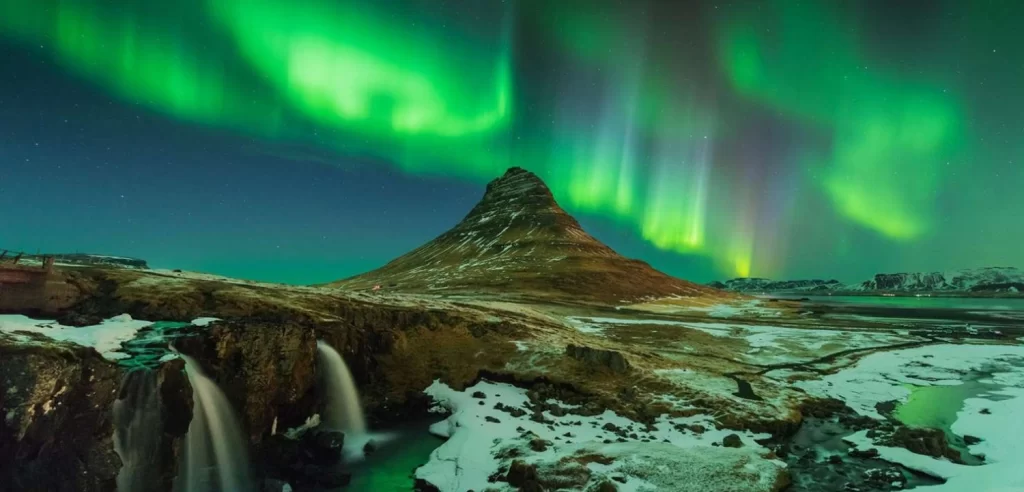
Not every honeymoon has to begin with a beach.
For couples looking for something different, a Northern Lights honeymoon in Europe can combine romance, winter landscapes and experiences that feel very different from a traditional tropical honeymoon.
Why Couples Choose an Arctic Honeymoon
- Glass cabins and private Arctic stays
- Northern Lights viewing away from busy cities
- Private snowmobile or husky experiences
- Romantic dinners and spa experiences
- Beautiful winter landscapes for couple photography
- A slower, more private travel experience
Finland works particularly well for couples looking for luxury and comfort, while Norway suits those who want romance combined with fjords and outdoor adventure.
The biggest advantage is that the honeymoon doesn’t have to depend entirely on the Aurora. The lights become one highlight of a wider romantic journey.
Who Is a Northern Lights Holiday Best For?
A Northern Lights holiday can look very different depending on who is travelling. The same destination that feels romantic for a couple can be an exciting winter adventure for a family or a group of friends.
Couples & Honeymooners
Glass cabins, private experiences, snowy landscapes and quiet evenings make the Arctic a strong choice for a romantic Europe holiday.
Families
Northern Europe can be surprisingly engaging for families, especially when the itinerary includes husky rides, reindeer experiences, snow activities and festive experiences rather than only Aurora hunting.
Friends & Adventure Travellers
If you prefer an active holiday, destinations in northern Norway, Finland and Sweden offer plenty to do between Aurora-viewing nights. Snowmobiling, dog sledding, hiking and other outdoor experiences can turn the trip into an adventure.
Luxury Travellers
For travellers who prioritise comfort, the experience can be built around premium Arctic resorts, glass cabins, private transfers, curated excursions and fine dining.
First-Time Europe Travellers
You don’t necessarily have to choose between seeing the Northern Lights and experiencing classic Europe. Depending on your available time, the Arctic can be combined with cities such as Helsinki, Oslo or Stockholm to create a broader Europe itinerary.
The important part is matching the destination and pace to how you actually want to travel.
Why Plan Your Northern Lights Holiday with iTour?
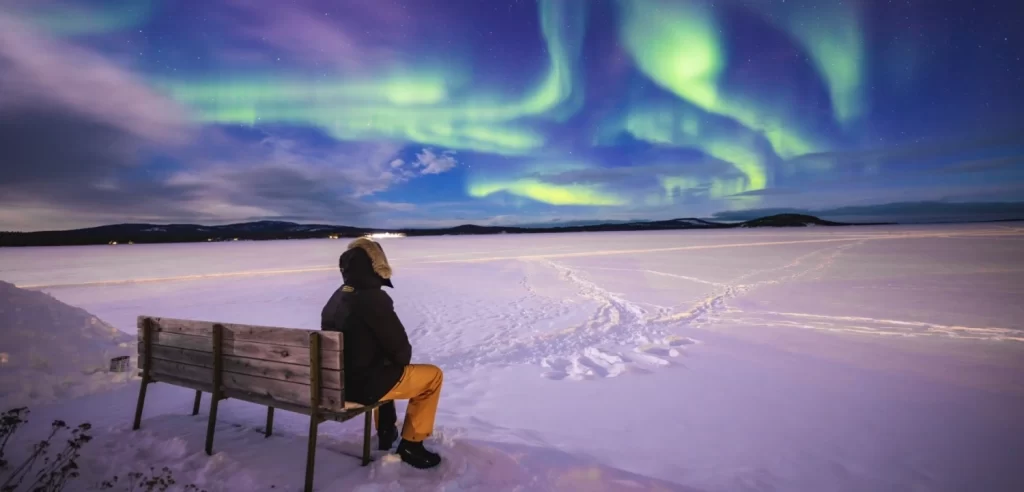
A Northern Lights holiday involves more than choosing a country. Your accommodation, number of nights, transfers, activities and Aurora opportunities all need to work together.
At iTour, we create customised itineraries around your travel style, whether you want:
- A luxury Finnish Lapland escape
- An adventurous Northern Norway trip
- A romantic Arctic honeymoon
- A family winter holiday
- A wider Europe itinerary with the Northern Lights as one of its highlights
From destination selection and accommodation to transfers, experiences, flights and travel assistance, the journey can be planned around what matters most to you.
Because the best Northern Lights holiday from India isn’t necessarily the one with the most activities. It’s the one where the destination, timing, comfort and experiences make sense together.
Frequently Asked Questions About Northern Lights in Europe
What is the best country in Europe to see the Northern Lights?
Finland, Norway, Sweden and Iceland are among the most popular choices. Finland is especially suited to luxury and couple-focused holidays, Norway to adventure and scenery, Sweden to quieter Arctic experiences, and Iceland to travellers who want the Aurora alongside varied landscapes.
What is the best month to see the Northern Lights?
The main viewing season generally runs from late August to early April in northern Europe. October to March offers a good balance of darkness and winter experiences, but sightings always depend on weather and solar conditions.
How many days are enough for a Northern Lights trip?
For a dedicated trip from India, 6–10 days is a comfortable range. Staying several nights gives you more opportunities to see the Aurora.
Can Indians see the Northern Lights without a visa?
Indian passport holders generally need a Schengen Visa for Northern Lights destinations within the Schengen Area. The exact visa and entry requirements should be checked before travel, as requirements can change.
How much does a Northern Lights trip from India cost?
A premium trip for two can start around ₹3 lakh, while luxury and highly customised itineraries can cost considerably more.
Is Finland or Norway better for Northern Lights?
Choose Finland for luxury Arctic stays and winter experiences, while Norway is better suited to travellers who want the Aurora combined with fjords, coastal scenery and adventure.
Can the Northern Lights be guaranteed?
No. Darkness, cloud cover, solar activity and location all influence visibility.
Is a Northern Lights holiday good for honeymooners?
Yes. Glass cabins, private Arctic experiences, snowy landscapes and romantic evenings make it a distinctive alternative to a traditional beach honeymoon.
Can I combine the Northern Lights with a Europe trip?
Yes. Depending on your duration, the Arctic can be combined with destinations such as Helsinki, Oslo or Stockholm.
Ready to Plan Your Northern Lights Holiday?
The Northern Lights may be what brings you to Northern Europe, but the right itinerary is what turns the journey into a holiday worth remembering.
Whether you’re planning a romantic Arctic escape, a family winter holiday, a luxury Northern Lights experience or a wider Europe trip, iTour can create the journey around your preferred destinations, pace, stays and experiences.
Leave a Reply